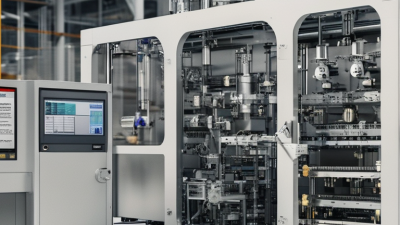
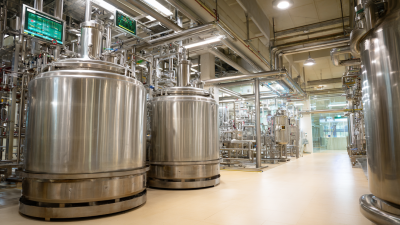
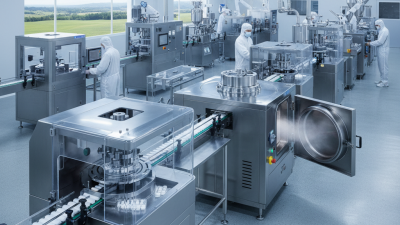
Choosing the right Pharma Equipment supplier can shape production quality, operating costs, and a facility’s ability to scale. In 2026, buyers face a broad market of established manufacturers and specialist technology providers. Their offerings may include tablet presses, filling lines, cleanroom systems, inspection equipment, and process controls. Yet a familiar brand name alone cannot show whether a supplier fits a specific site.
This guide examines suppliers through practical purchasing criteria: equipment performance, documentation, installation support, spare-parts access, and service response. A buyer comparing two packaging lines, for example, may need to assess changeover time, inspection accuracy, and integration with existing systems. Small details matter. A delayed replacement part can affect a production schedule, while unclear qualification records can complicate internal review. Supplier claims should be checked against technical documents, customer references, and the requirements of the intended operation.
There is no universal ranking that suits every manufacturer. Regional service coverage, project size, product type, and budget can change which supplier is the strongest choice. Even a careful shortlist has limits. Public information may not reveal how a vendor performs during a difficult installation or an urgent repair. The sections ahead therefore compare suppliers by capability and fit, rather than treating one company as the automatic winner. Readers can use the overview to prepare better questions, request specific evidence, and identify where further due diligence is needed before making a purchase decision.
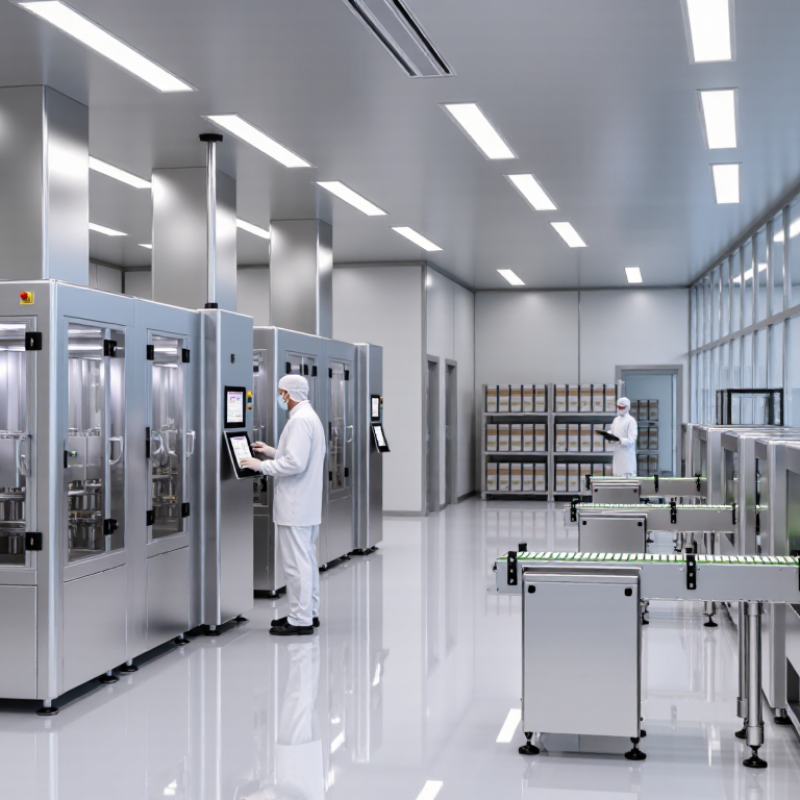
Pharmaceutical equipment converts a carefully designed process into consistent, measurable production. Mixing vessels control agitation and temperature, while pumps move liquids through defined process steps. Filters help remove unwanted particles, and filling equipment delivers measured amounts into containers. Each machine has a specific role. Together, they support product quality and reliable batch records.
Equipment selection should reflect the product, process, and facility—not just advertised capacity. A vessel that mixes well at one scale may behave differently at another. Cleaning access, material compatibility, automation, and maintenance needs also matter. Details matter. Operators need clear instructions, practical training, and equipment that can be inspected and serviced. A polished brochure is not proof of performance.
Suppliers contribute through engineering support, installation, commissioning, documentation, and access to spare parts. Their responsiveness during routine maintenance can be as important as the initial specification. Buyers should review test records and confirm that equipment can meet defined process requirements. That sounds obvious, but planning can get thin when schedules tighten. Even dependable machines need monitoring, calibration, and skilled people. Equipment supports good manufacturing; it does not replace sound procedures or careful judgment.
This table compares major pharmaceutical equipment supplier categories by manufacturing role and practical evaluation criteria. It is not a company ranking; no company names, brands, or unsupported market-share figures are included.
| Equipment Supplier Category | Role in Drug Manufacturing | Common Equipment | Key Selection Criteria | Typical Documentation and Controls |
|---|---|---|---|---|
| Bioprocess equipment suppliers | Provide systems for growing cells and producing biologics, including vaccines and therapeutic proteins. | Bioreactors, single-use bags and assemblies, seed-train systems, and process vessels. | Working volume, materials compatibility, mixing and oxygen-transfer performance, cleanability, and suitability for the intended process scale. | Equipment specifications, material information, calibration records, and support for installation and operational qualification. |
| Pharmaceutical reactor and mixing suppliers | Support chemical synthesis, formulation, blending, and other controlled batch operations. | Jacketed reactors, process tanks, agitators, and high-shear mixers. | Capacity, temperature-control range, agitation performance, wetted-surface finish, and compatibility with the product and cleaning process. | Design and fabrication records, instrument details, operating documentation, and cleaning-related information as applicable. |
| Filtration and separation suppliers | Remove particles or separate process streams during the manufacture of small-molecule and biological products. | Depth and membrane filters, filter housings, centrifuges, and tangential-flow filtration systems. | Required throughput, operating pressure, membrane or filter compatibility, product recovery, and validated retention or separation performance. | Filter or membrane specifications, integrity-test procedures where applicable, material traceability, and operating instructions. |
| Pharmaceutical drying and powder-processing suppliers | Convert wet materials or solutions into powders and support consistent handling of solid dosage ingredients. | Freeze dryers, vacuum dryers, fluid-bed dryers, granulators, and mills. | Batch capacity, heat and mass transfer, containment needs, product sensitivity, and control of moisture or particle-size attributes. | Equipment operating ranges, control-system records, calibration information, and qualification support. |
| Filling and sterile-processing suppliers | Fill sterile liquids or other dosage forms into containers while supporting contamination-control strategies. | Vial, syringe, and cartridge filling systems; stoppering and capping equipment; and isolators or restricted-access barrier systems. | Container format, line speed, fill accuracy, aseptic-process compatibility, changeover requirements, and integration with environmental monitoring. | Equipment qualification documentation, operating and cleaning procedures, and relevant barrier-system and process-control records. |
| Packaging and inspection suppliers | Package finished medicines and inspect products or packs for defined defects and labeling requirements. | Blister and cartoning lines, bottle fillers, serialization systems, and visual inspection equipment. | Supported formats, inspection capability, line integration, changeover time, data handling, and applicable market requirements. | Equipment and software documentation, inspection-system configuration records, and packaging-line control procedures. |
| Clean-utility and facility-system suppliers | Provide controlled services and environments needed to operate pharmaceutical manufacturing processes. | Purified-water and water-for-injection systems, clean-steam systems, compressed-gas systems, and HVAC equipment. | Designed capacity, system materials, monitoring points, maintainability, contamination-control needs, and applicable pharmacopoeial or facility requirements. | System drawings, material and instrument records, commissioning and qualification documents, and monitoring procedures. |
| Automation and process-control suppliers | Monitor and control manufacturing steps, equipment states, alarms, and production data. | Programmable controllers, distributed control systems, supervisory systems, and manufacturing data interfaces. | Process compatibility, system integration, access control, audit-trail capability, data retention, and lifecycle support. | Functional specifications, configuration records, testing documentation, access-management procedures, and data-integrity controls appropriate to intended use. |