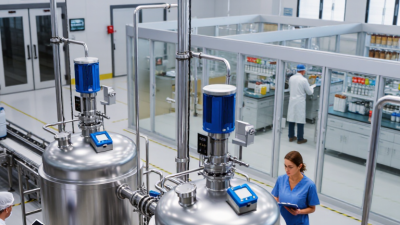
China’s pharmaceutical ingredient sector serves a demanding role: supplying active pharmaceutical ingredients (APIs) for medicines used in many markets. Choosing a manufacturer takes more than comparing capacity or price. Buyers and industry readers also need to examine quality systems, technical capabilities, regulatory inspection history, product range, and supply reliability.
W. Edwards Deming, a manufacturing-quality expert, wrote, “Quality comes not from inspection, but from improvement of the production process.” The principle matters in Pharma Api Manufacturing, where consistent results depend on controlled processes, trained teams, and careful documentation. A polished factory tour is not enough. Evidence matters.
This overview introduces ten notable Chinese API manufacturers and the factors that help distinguish them. It considers public company information, manufacturing focus, international presence, and available quality credentials, while recognizing that capabilities can change. “Top” is not a universal certification. Rankings also depend on the buyer’s needs, such as a particular ingredient, production scale, or technical support. Some details may be difficult to compare from public sources, and that is worth acknowledging. Readers should verify current product specifications, audit findings, and supply terms directly with each company before making decisions. The aim is a useful starting point, not a substitute for due diligence.
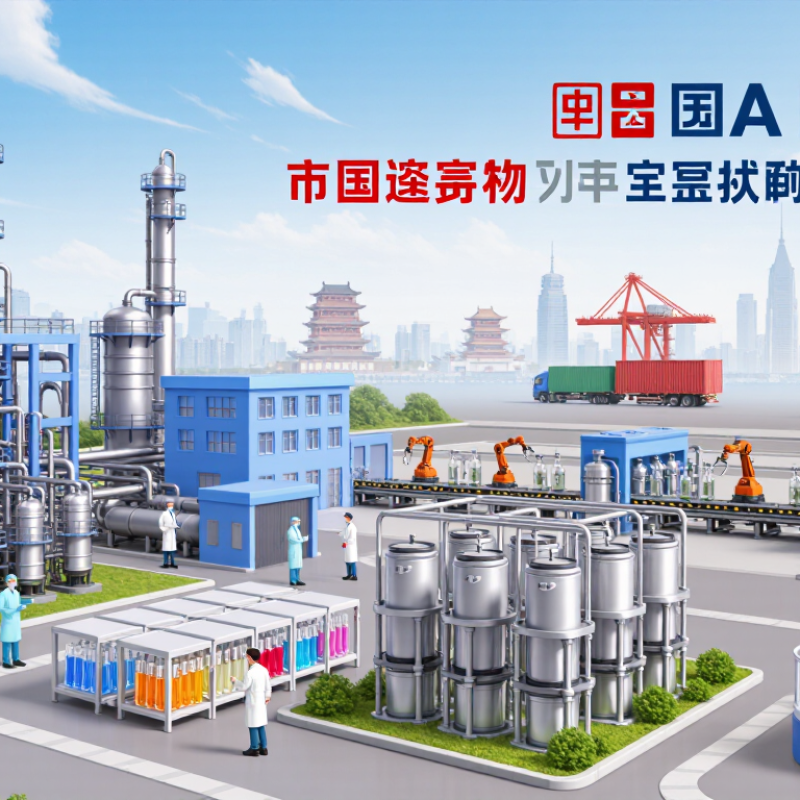
China’s pharmaceutical API sector is not a single factory network. It includes manufacturers focused on chemical synthesis, fermentation, extraction, and specialized process development. Some produce large volumes of established ingredients; others handle smaller batches or complex production steps. The distinction matters. A ranking of leading manufacturers can shift depending on whether buyers value capacity, technical range, export experience, or consistency.
Production often begins with raw materials and intermediates, then moves through controlled processing, purification, testing, and release. In a well-run facility, each batch has traceable records and defined quality checks. Analysts may review chromatograms, impurity profiles, and stability data, not just a certificate. Details matter. Different sites can have different capabilities, even within the same broad manufacturing category.
The sector also includes contract manufacturers and suppliers that serve different stages of development and commercial production. Their roles are not always easy to compare from public information alone. A company may have modern equipment but limited experience with a particular process. That is a useful reminder: scale does not automatically equal suitability. Buyers typically assess technical fit, quality systems, documentation, and supply continuity together. No single metric tells the whole story.

A reliable API manufacturer should be assessed through documented quality practices, not promotional claims. Check whether its quality system aligns with applicable GMP requirements, and review recent inspection outcomes where available. Ask how each batch is tested, how analytical methods are validated, and how deviations are investigated. A certificate alone is not enough. Request sample batch records, specifications, and stability data, with confidential details appropriately protected.
Manufacturing capacity matters, but so do change control and supply continuity. Confirm that the proposed site can support your forecast and explain how it manages raw-material variability, equipment maintenance, and unexpected production delays. During an audit, observe how staff record work and trace materials from receipt through release. Small details matter. Clear responses to technical questions can reveal whether quality is part of daily operations or mainly paperwork. Compare suppliers using consistent criteria, while recognizing that a tidy scorecard can hide important context. No site is perfect. Record open questions, verify corrective actions, and reassess risks as product needs change.
Criteria for Selecting Leading API Manufacturers in China
Use the criteria below to assess and rank manufacturers. The weights are a suggested evaluation framework, not verified scores or rankings for specific companies. Confirm all claims directly with the manufacturer and relevant regulatory records.
| No. | Selection Criterion | What to Evaluate | Evidence to Verify | Suggested Weight |
|---|---|---|---|---|
| 1 | GMP and quality-system compliance | Whether the relevant manufacturing site and API operations follow applicable GMP requirements, including ICH Q7 where applicable. | Current site-specific certificates, inspection records, audit reports, deviation and CAPA procedures, and quality agreements. | 18% |
| 2 | Regulatory track record | Relevant inspection history and regulatory status for the specific site, product, and intended destination market. | Records from relevant authorities, such as the NMPA, FDA, or EMA; verify scope, date, site, and product rather than relying on general claims. | 15% |
| 3 | Regulatory documentation | Completeness and suitability of the product-specific documentation package for the buyer’s regulatory pathway. | DMF or equivalent filing information where applicable, written authorization to reference, CEP status where applicable, specifications, and change-control documentation. | 12% |
| 4 | Product and process quality | Consistency of batches, control of impurities, validated analytical methods, and management of critical process parameters. | Representative certificates of analysis, batch records, validation summaries, impurity profiles, and agreed acceptance criteria. | 12% |
| 5 | Manufacturing capability and capacity | Fit between available equipment, process scale, production schedule, and the buyer’s forecast demand. | Site and equipment information, demonstrated batch scales, capacity statements, production lead times, and evidence of supply planning. | 10% |
| 6 | Supply-chain reliability | Ability to maintain supply and manage raw-material sourcing, production disruptions, and delivery commitments. | Supplier qualification procedures, business-continuity plans, inventory policies, delivery performance data, and qualified alternate sources where appropriate. | 10% |
| 7 | Technical and development support | Responsiveness and technical capability for process questions, investigations, scale-up, and product lifecycle changes. | Technical team qualifications, response procedures, investigation examples, development capabilities, and change-notification commitments. | 8% |
| 8 | Environmental, health, and safety controls | Management of process hazards, worker safety, waste, emissions, and applicable environmental obligations. | Site permits where applicable, EHS procedures, incident records, waste-management controls, and audit findings. | 5% |
| 9 | Commercial transparency | Clarity of quotations, payment terms, minimum order quantities, lead times, and cost-change communication. | Written quotations, supply terms, forecast assumptions, and procedures for price or schedule changes. | 5% |
| 10 | Customer references and service | Demonstrated service quality, communication, complaint handling, and experience with comparable products or markets. | References where available, complaint and recall procedures, service records, and documented response timelines. | 5% |
| Total Suggested Weight | 100% | |||
Assessment note: Apply the same scoring method to every candidate, evaluate the actual manufacturing site and API under consideration, and independently verify current regulatory and quality information before making a supplier decision.
China’s API sector is better understood through capabilities than a single league table. Public revenue data are uneven, so “top ten” rankings can mislead. The FDA’s 2019 Drug Shortages Task Force report counted registered API manufacturing sites: China accounted for 13%, compared with 18% in India and 28% in the United States. These figures measure site locations, not output or quality. An important distinction.
For a brand-free comparison, ten useful manufacturer profiles include fermentation specialists; high-volume small-molecule producers; chiral-synthesis teams; peptide manufacturers; vitamin-focused plants; oncology-API facilities; complex-intermediate makers; continuous-process adopters; custom-development partners; and export-oriented, multi-site groups. Each profile calls for different checks. A fermentation plant’s process controls differ from those needed for a peptide facility.
Buyers should compare current GMP certificates, regulatory filing status, impurity controls, batch consistency, and inspection history. Ask for evidence from production—not only polished capability slides. A sample batch record can reveal how deviations are handled. Public reports provide a starting point, but they cannot verify an individual supplier’s performance. That limitation matters.
Comparing ten Chinese pharma API manufacturers requires more than matching product names. Their portfolios may include mature small-molecule APIs, advanced intermediates, and custom synthesis services. Some facilities focus on large commercial batches; others handle smaller development quantities. Ask for representative batch sizes, lead times, and recent quality data. Details matter.
A kilogram sample can behave differently from a full production batch. Compare impurity profiles, analytical methods, change-control procedures, and the consistency of batch records. Certifications need careful checking. A GMP certificate or ISO 9001 certificate should be current, relevant to the actual manufacturing site, and within the stated scope. Request audit evidence rather than relying on a logo or sales claim. Also review whether the supplier can support method validation, stability studies, and clear deviation investigations. These abilities reveal how a company manages routine work and unexpected problems. A polished brochure cannot answer every question. Buyers should verify the evidence directly and document any gaps before making a sourcing decision.
China’s active pharmaceutical ingredient manufacturers are part of a supply chain that connects chemical processing, quality testing, and finished-medicine production. Their role is significant, but headline claims about market share can be misleading. The U.S. Food and Drug Administration’s 2019 report counted about 13% of facilities making APIs for the U.S. market in China. That figure measures facility locations, not production volume or supply reliability. It is useful context, not a ranking.
On the factory floor, dependable supply depends on more than capacity. Batch records, validated processes, impurity controls, and shipment conditions all affect whether an ingredient can move into production. The FDA’s 2019 Drug Shortages report linked 62% of shortages it examined to quality problems in manufacturing. That matters. A delayed batch can disrupt schedules even when other materials are available. Buyers therefore assess audit findings, change-control practices, and the consistency of analytical results alongside price and delivery time. These checks are not perfect; reports and inspections capture only part of day-to-day performance. Still, transparent documentation and traceable batches help manufacturers and medicine producers spot risks earlier across borders.