How to Source Gynostemma Extract for Your Business Needs?
In recent years, Gynostemma Extract has gained significant attention in the health and wellness industry. Derived from the Gynostemma pentaphyllum plant, this extract boasts numerous health benefits. According to a report by Grand View Research, the global herbal supplement market is projected to reach $200 billion by 2025, with extracts like Gynostemma playing a pivotal role. Companies sourcing this extract must understand its growing demand and potential market applications.
The extract is renowned for its adaptogenic properties, which can help the body cope with stress. Studies indicate that Gynostemma Extract may support cardiovascular health and boost immune function. However, sourcing it requires careful consideration of quality and purity. Not all suppliers meet the high standards necessary for effective products. Finding reliable partners is crucial.
Notably, sourcing Gynostemma Extract involves challenges. Quality can vary, and inconsistent sourcing may lead to inferior products. It is essential to conduct thorough research on suppliers. Potential buyers must reflect on their sourcing strategies and consider third-party testing to ensure reliability. Quality control remains vital in maintaining product integrity and consumer trust.
Understanding Gynostemma: Nutritional and Health Benefits
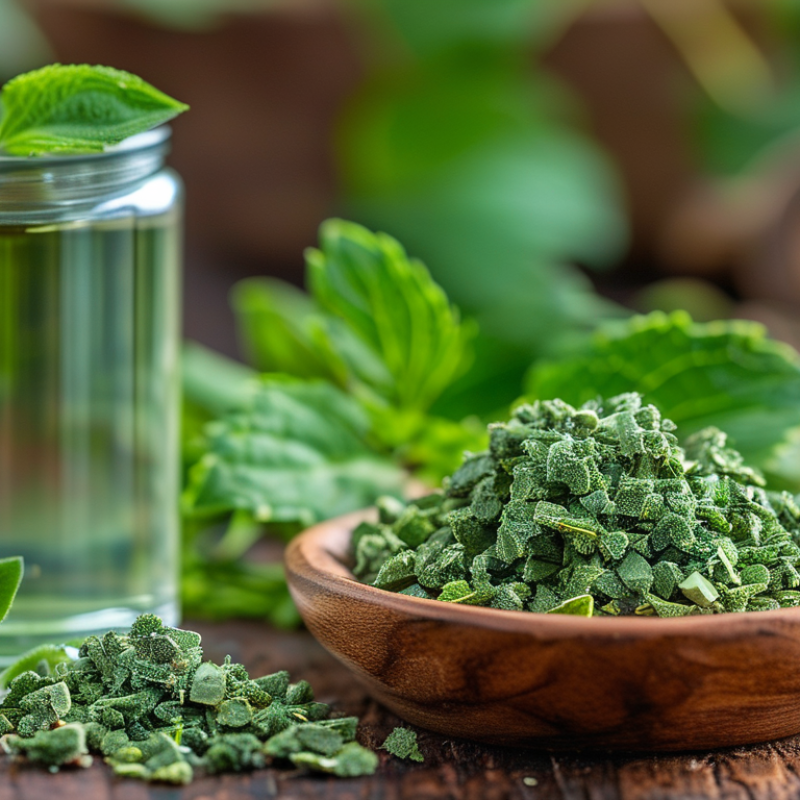
Gynostemma, commonly known as jiaogulan, is gaining attention for its potential health benefits. This plant, native to Asia, is rich in saponins—compounds linked to numerous health advantages. Research shows that jiaogulan may enhance cardiovascular health, improve endurance, and promote overall wellness.
A report from the Journal of Nutritional Biochemistry highlights that the saponin content in Gynostemma can contribute to lowering cholesterol levels. Moreover, another study published in Phytotherapy Research indicates its antioxidant properties might help combat oxidative stress, a key factor in various chronic diseases. Given these findings, the extract offers promising prospects for businesses focusing on health supplements.
While the potential benefits are significant, sourcing high-quality Gynostemma extract poses challenges. It's essential to consider factors like purity and sourcing sustainability. Variability in saponin content can affect efficacy. The extraction process matters greatly; different methods can yield extracts with varying health properties. Therefore, businesses should prioritize suppliers with proven expertise and transparent sourcing practices.
Market Demand Analysis for Gynostemma Extract in Supplement Industry
The market for Gynostemma extract has been steadily growing, reflecting a rising consumer interest in natural supplements. According to a recent report, the global market for herbal supplements is expected to reach $13.6 billion by 2026, with Gynostemma playing a key role. Its adaptogenic properties and potential health benefits contribute to this demand. This trend suggests a significant opportunity for businesses looking to enter this niche.
Research indicates that about 22% of consumers prefer herbal products over synthetic options. This shift is largely driven by the increasing focus on wellness and preventive health measures. Moreover, Gynostemma extract is often sought after for its antioxidant and anti-inflammatory effects, making it appealing to health-conscious individuals. Incorporating scientific studies into marketing efforts can enhance consumer trust, given that 35% of buyers base their decisions on research-backed claims.
Despite its potential, sourcing high-quality Gynostemma extract can pose challenges. Variability in quality among suppliers may lead to inconsistent product efficacy. Businesses must vet suppliers thoroughly to ensure compliance with industry standards. This diligence can mitigate risks related to product safety and consumer satisfaction, important factors given that a significant percentage of consumers base their choices on ingredient transparency. Balancing these elements is critical for establishing a reputable brand in the competitive supplement industry.
Market Demand Analysis for Gynostemma Extract in Supplement Industry
Identifying Reliable Suppliers for Gynostemma Extract Sourcing
When sourcing Gynostemma extract, finding reliable suppliers is crucial. A dependable supplier can provide high-quality products consistently. One way to identify potential suppliers is to seek recommendations from industry peers. Networking at trade shows can also prove beneficial. Authentic feedback about a supplier’s reliability is invaluable.
Tips: Look for suppliers with experience in the herbal industry. Check their certifications and quality standards. Ensure they can provide detailed product specifications. Transparent communication is key; suppliers should answer your questions clearly.
Another approach is to evaluate suppliers online. Check reviews and case studies. Pay attention to their customer service. Reliable suppliers should be responsive and willing to assist.
Tips: Request samples before committing to a purchase. This helps assess the quality of the extract. Consider visiting their facilities if possible, to gain further insight into their operations. Trust your instincts; if something feels off, it may be worth further investigation.
Quality Control Standards for Gynostemma Extract Products
When sourcing Gynostemma extract, quality control is paramount. Various factors contribute to the integrity of the product. Testing for purity is essential. Ensure that the extract is free from contaminants. Heavy metals and pesticides can undermine health benefits. Engage with suppliers that prioritize rigorous testing. They should provide certificates of analysis that confirm their products meet safety standards.
Another important aspect is understanding the extraction method. Different techniques yield varying concentrations of active compounds. For instance, solvent extraction can produce a higher potency than water extraction. Familiarity with these methods may enhance your selection process. Evaluate the supplier’s production practices carefully. Those with transparent operations will likely deliver superior products.
Consistency in product quality is also a concern. Batch variations can affect efficacy. Regular audits of suppliers help to identify any quality fluctuations. Stay informed on best practices in the industry. This knowledge empowers you to make better decisions for your business. Maintaining high standards will ultimately enhance customer satisfaction and trust.
How to Source Gynostemma Extract for Your Business Needs? - Quality Control Standards for Gynostemma Extract Products
| Parameter | Standard Value | Test Method | Frequency of Testing |
| Total Saponins Content | ≥ 10% | HPLC | Every Batch |
| Moisture Content | ≤ 8% | Gravimetric Method | Every Batch |
| Heavy Metals | ≤ 10 ppm | ICP-MS | Quarterly |
| Microbial Contamination | Negative | AOAC Methods | Every Batch |
| Pesticide Residues | ≤ 1 ppm for each | LC-MS/MS | Every Batch |
Cost Analysis: Budgeting for Gynostemma Extract in Business Models
When budgeting for gynostemma extract, several factors must be considered. Understanding the cost structure is essential for effective financial planning. Raw material prices vary significantly based on quality, sourcing location, and supplier reputation. Research shows that premium extracts often come with higher price tags. However, they also provide more concentrated benefits. Balancing quality with cost is a challenge businesses must face.
Transportation and storage costs should not be overlooked. Extracts require specific conditions to maintain their potency. This may involve climate-controlled environments, impacting overall expenses. It's beneficial to evaluate local suppliers versus international ones. While overseas suppliers might offer lower prices, shipping costs can quickly add up.
Additionally, consider potential fluctuations in market prices. Factors like seasonal availability can affect your budget unpredictably. Prices might increase during high-demand periods. An ongoing assessment of market trends is crucial. This allows businesses to adjust purchasing strategies proactively. Careful monitoring and planning can lead to a more sustainable financial approach.
