
Choosing an lpg tank container in 2026 is a technical decision, not a paint-color exercise. The right unit must match the cargo, route, loading equipment, and expected service life. WLPGA’s Statistical Review of Global LPG provides useful context on LPG supply, demand, and trade. UNCTAD’s Review of Maritime Transport helps frame the wider shipping environment. Neither report replaces a tank’s technical file. Check design pressure, capacity, tare weight, valve arrangement, inspection history, and compatibility with your transfer connections. Then examine the details that are easy to overlook: the condition of gaskets, legible nameplates, and access to maintenance support.
A sound comparison starts with the operating profile. How often will the container travel? Which terminals will handle it? Will the unit face long storage periods or frequent filling cycles? These answers affect the practical value of payload, turnaround time, and service access. A low purchase price can become expensive when a valve needs replacement far from the depot. Specific requirements also depend on the intended cargo and route, so confirm them with qualified technical and compliance professionals before ordering. No source articles or verifiable expert quotation were supplied with this request; I have not invented a named expert’s words. That matters. An attractive quote cannot substitute for traceable inspection records, manufacturer documentation, and a clear maintenance plan. Use this guide to compare options carefully—and to identify questions that still need a qualified answer.
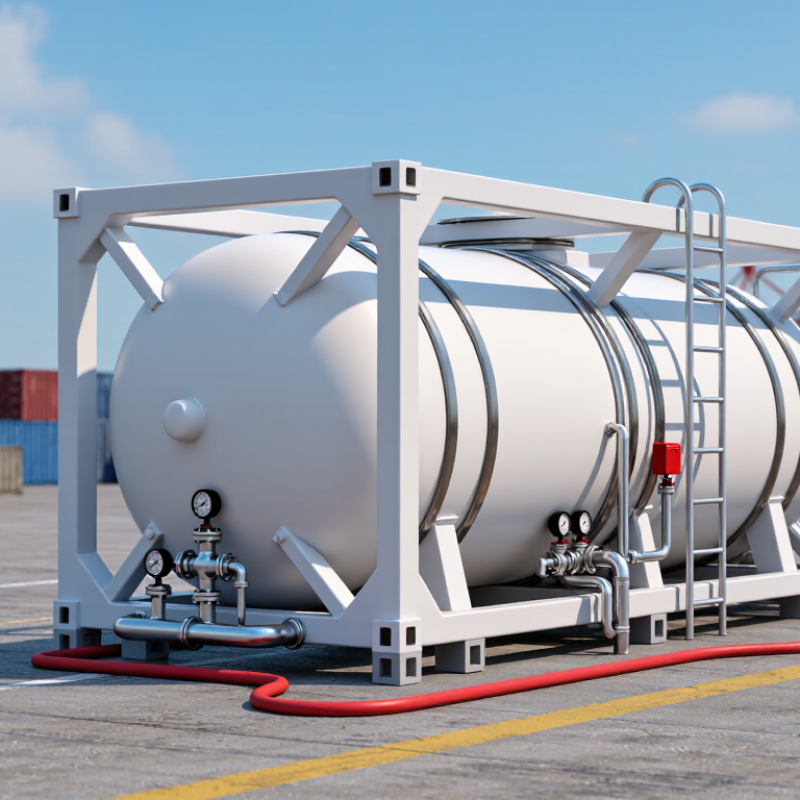
Before selecting an lpg tank container, define the cargo precisely. “LPG” alone is not enough. Record the propane-butane blend, expected vapor pressure, temperature range, and required payload. Ask the supplier for current product data, then have a qualified engineer check that the tank’s design conditions match it. Small differences matter.
Map the full route, not just the longest leg. Note whether the container will travel by road, rail, or sea, and identify terminal lifts, transfer points, and storage limits. Check the container’s dimensions, gross mass, lifting features, and connections against the equipment at each stop. A route can look suitable on paper and still create delays at a busy loading bay.
Operating details shape the choice too. Confirm loading and unloading rates, hose compatibility, valve access, inspection needs, and how often the unit will be used. Plan for temperature changes and clear emergency procedures with trained personnel. Keep the cargo and route records together; assumptions tend to linger longer than expected. It is easy to over-specify pressure capacity and overlook routine handling. Review the selection with the carrier, site operator, and technical team before committing, using applicable standards and current documentation.
| Selection Dimension | Information to Define | Practical Selection Guidance | Checks Before Ordering |
|---|---|---|---|
| Cargo identity and composition | Specify the product name, composition range, impurities, and whether the cargo is propane, butane, or a mixture. | Different LPG compositions can have different vapor pressures and handling requirements. For reference, the normal boiling points of pure propane and pure n-butane at atmospheric pressure are approximately −42.1°C and −0.5°C, respectively. | Provide a current product specification or safety data sheet. Confirm that seals, valves, and wetted materials are compatible with the actual cargo. |
| Design pressure and temperature | Define the maximum and minimum cargo temperatures, expected ambient conditions, and required design pressure. | Pressure requirements depend on cargo composition, temperature, filling conditions, and the applicable design code. Do not select a pressure rating from a generic LPG label alone. | Have the tank designer verify the design basis against the cargo data and applicable regulations. Confirm that operating limits are clearly documented. |
| Capacity and payload | Set the required usable volume, shipment quantity, allowable gross mass, and payload limits for each transport mode. | Usable loading is constrained by the permitted filling limits as well as the container’s tare mass and route-specific weight restrictions. | Check the shipper’s loading plan, vehicle and rail limits, terminal handling limits, and applicable filling rules for the cargo and jurisdiction. |
| Filling limits and liquid expansion | Define the filling procedure, loading temperature, and controls used to prevent overfilling. | LPG expands as temperature rises. Filling limits must account for the product and the rules applicable to the tank; a tank must not be filled beyond its permitted limit. | Confirm the approved filling limit, measurement method, level indication, and procedures for loading, unloading, and temperature changes. |
| Tank design and approvals | Identify the required tank type, design code, inspection regime, and approvals for the intended transport and markets. | LPG transport tanks are pressure vessels. The applicable requirements can vary by mode, country, and route; international multimodal shipments may require portable-tank and dangerous-goods compliance. | Verify the tank’s certificates, markings, inspection status, and approval for every intended mode and jurisdiction. Confirm current requirements with the relevant competent authorities. |
| Route and transport modes | Map the full journey, including road, rail, sea, inland waterway, border crossings, terminals, and storage locations. | A tank suitable for one leg may not automatically meet the requirements of another. Route restrictions, infrastructure, and local regulations can affect the acceptable equipment and payload. | Check dangerous-goods documentation, route permissions, terminal acceptance, axle and gross-weight limits, and any restrictions on the planned transport modes. |
| Connections and transfer equipment | Specify liquid and vapor connection requirements, valve arrangement, hose interfaces, and loading and unloading configuration. | Connection compatibility is essential for safe transfer. Configurations should suit the receiving facilities and the cargo service without relying on improvised adapters. | Confirm connection standards, valve access, protective closures, transfer procedures, and compatibility with site hoses and emergency shut-off arrangements. |
| Pressure-relief protection | Define the required pressure-relief devices and their suitability for the tank design and LPG service. | Relief-device selection, settings, capacity, and arrangement must follow the applicable tank design and regulatory requirements. | Review device certificates, inspection records, discharge arrangements, and maintenance requirements with the tank designer or qualified inspector. |
| Operating environment | Describe expected ambient temperatures, exposure conditions, operating frequency, and whether the tank will be used in stationary storage or transport service. | Environmental conditions can affect pressure, equipment performance, and material suitability. Any heating or temperature-control process must be specifically permitted for the tank and cargo. | Confirm the rated operating envelope and approved procedures. Do not apply external heat unless the tank design and operating instructions expressly allow it. |
| Inspection, maintenance, and service life | Set inspection intervals, maintenance responsibilities, expected utilization, and plans for periodic testing. | Pressure tanks require inspection and maintenance in accordance with the applicable code and approval. Out-of-date or damaged equipment may be rejected by carriers or terminals. | Review inspection dates, test records, repair history, valve condition, corrosion protection, and the process for taking a tank out of service. |
| Emergency and operating procedures | Define operator training, loading and unloading controls, leak response, and emergency communication arrangements. | Procedures should address LPG’s flammability, the potential for vapor release, ignition control, and safe isolation of transfer operations. | Confirm that site procedures, safety equipment, signage, and emergency plans align with the cargo safety data and local requirements. |
Important: This table is a planning aid, not a tank specification or regulatory determination. Final equipment selection, pressure rating, filling limits, and approvals must be verified for the actual cargo, route, operating conditions, and applicable regulations in force in 2026.