How to Choose the Best Sleep Monitoring Technology for You?
Choosing the right Sleep Monitoring Technology is crucial for improving sleep quality. As Dr. Matthew Walker, a renowned sleep scientist, states, “Sleep is the foundation of our health.” This underscores the importance of selecting the right tools to monitor sleep.
With the market flooded with various sleep monitoring devices, understanding your personal needs is vital. Consider factors like comfort, ease of use, and the type of data you want to track. Some systems offer detailed analytics, while others provide basic insights. Finding a balance is essential to avoid overwhelming yourself with too much information or underestimating your sleep habits.
Reflect on your sleep patterns and what you wish to improve. The best Sleep Monitoring Technology should cater to your specific needs without introducing unnecessary complications. In this ever-evolving field, not all devices are created equal. Some might fall short, leaving you frustrated. A good device should empower you to make informed decisions about your sleep health without confusion.
Understanding the Importance of Sleep Monitoring Technology in Sleep Health
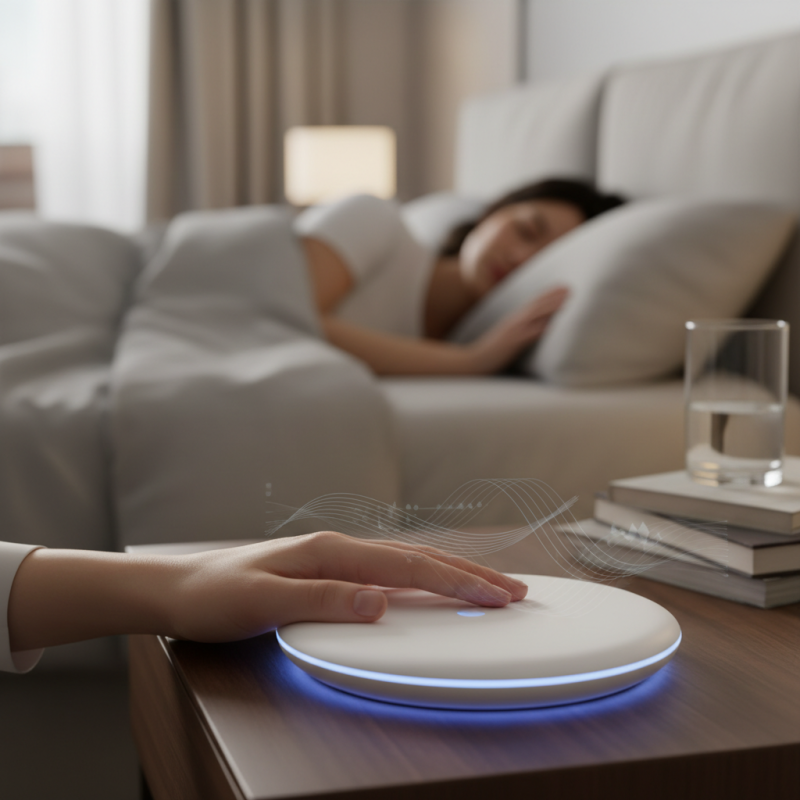
Understanding sleep is crucial for our overall health. Sleep monitoring technology can provide insights that enhance sleep quality. Many people underestimate how their sleep patterns impact their daily lives. By tracking sleep, individuals can pinpoint issues, such as insomnia or disruptive habits. This awareness fosters healthier behaviors and routines.
Different tools measure various aspects of sleep, from duration to sleep stages. For example, some devices focus on heart rates, while others analyze movements. The right technology can highlight trends over time, guiding adjustments in lifestyle. However, reliance on these tools has its challenges. Users may become overly fixated on metrics, leading to anxiety rather than relief.
Consulting health professionals can help interpret data more meaningfully. Relying solely on personal devices may not address underlying sleep disorders. Expertise from specialists can provide deeper insights. They can recommend personalized strategies that technology alone cannot offer. Effective sleep monitoring technology is about balance, combining data with professional guidance.
Types of Sleep Monitoring Devices: Wearables, Bed-Mounted, and Apps
When selecting sleep monitoring technology, consider three main types: wearables, bed-mounted, and apps. Each type serves different needs and preferences. Wearable devices, like smartwatches or fitness trackers, monitor heart rate and movement. According to a recent study by the National Sleep Foundation, 60% of users reported improved sleep patterns after tracking their sleep with wearables.
Bed-mounted devices, such as under-mattress sensors, provide a comprehensive overview of your sleep stages without interruption. These devices can measure respiratory patterns and even room temperature. A survey by sleep researchers indicated that 75% of individuals prefer this type of monitoring for its ease of use.
Apps, on the other hand, turn your smartphone into a tracking tool. They record sleep sounds, durations, and quality. While they offer convenience, data accuracy can sometimes be questionable.
Tips: When choosing your device, prioritize accuracy over fancy features. Look for a product that offers robust data tracking. It's also beneficial to review user experiences; other people's insights can guide your decision. Don't hesitate to try different options—what works best for you may require exploration. Remember that while technology aids sleep monitoring, understanding your habits offers the path to better rest. Balancing tech use with good sleep hygiene is crucial.
Key Features to Consider When Choosing Sleep Monitoring Technology
When choosing sleep monitoring technology, several key features can significantly enhance your experience. Accuracy in tracking sleep patterns is paramount. Studies show that devices with advanced sensors can offer 95% accuracy in detecting sleep stages. This data is crucial for understanding your sleep quality. The best devices often incorporate heart rate variability and movement tracking to provide a holistic view of your sleep.
Another essential aspect to consider is the ease of use. Many users report frustration with complex setups. A user-friendly interface and easy app connectivity are vital. Look for devices that require minimal setup, as this can encourage consistent use. While many options exist, not all will suit different lifestyles.
**Tip:** Consider your specific needs before deciding. If you travel often, portability and battery life should be priorities. Some devices last days without needing a charge. Those who prefer data analysis, find sleep analytics reports very helpful. They can reveal trends and patterns in sleep over time, guiding lifestyle changes.
It's also worth reflecting on potential biases in sleep monitoring data. Devices may not account for individual differences in sleep needs. This could lead to misunderstandings of your health. Thus, always supplement technology-based insights with professional advice when necessary.
How to Choose the Best Sleep Monitoring Technology for You?
| Feature | Description | Importance Level |
| Sleep Cycle Tracking | Monitors light, deep, and REM sleep stages to provide comprehensive insights. | High |
| Heart Rate Monitoring | Tracks heart rate variations throughout the night. | Medium |
| Sleep Environment Analysis | Evaluates room conditions like temperature and noise levels. | Medium |
| Smart Alarm | Wakes you up during light sleep for a more refreshed feeling. | High |
| Data Export | Ability to export data for further analysis or sharing with healthcare providers. | Low |
| User Interface | Intuitive design to easily understand your sleep data. | High |
Interpreting Sleep Data: What Metrics Matter Most for Quality Sleep
When choosing sleep monitoring technology, understanding key metrics is essential. Sleep data can reveal patterns about your rest habits. Focus on metrics like sleep duration, sleep stages, and sleep interruptions. These details can help you understand your overall sleep quality. Many trackers display time spent in deep, light, and REM sleep. Knowing these stages is crucial for evaluating sleep health.
Heart rate variability is another significant metric. It can indicate stress levels during sleep. A lower variability may suggest poor recovery. Tracking your body temperature during sleep can also provide insights. Fluctuations can affect your comfort, leading to restless nights.
Consider the user experience of the devices too. Some may require adjustments or feel uncomfortable. Review and feedback from others can help gauge reliability. The technology should fit seamlessly into your life. Remember, no device is perfect. Reflect on the data it provides. Sometimes, results may be surprising. Adjusting your sleep environment might yield better insights.
Cost-Benefit Analysis: Investing in Sleep Monitoring for Long-Term Health
Investing in sleep monitoring technology can improve long-term health. Sleep affects mood, productivity, and overall well-being. Many people underestimate its importance. By tracking sleep patterns, individuals can identify issues like insomnia or sleep apnea. These technologies offer insights that can lead to better sleep habits.
However, the cost of sleep monitoring devices can be significant. Some might find the initial investment steep. It’s essential to examine the potential long-term benefits. Good sleep can enhance physical health and mental clarity. Over time, better sleep can lower healthcare costs related to stress and fatigue.
Seeking expert advice is valuable. Health professionals can help interpret data from sleep trackers. This guidance may lead to personalized solutions. People should weigh the pros and cons based on their unique situations. Monitoring sleep is not just about data; it’s about making informed choices for wellness.
