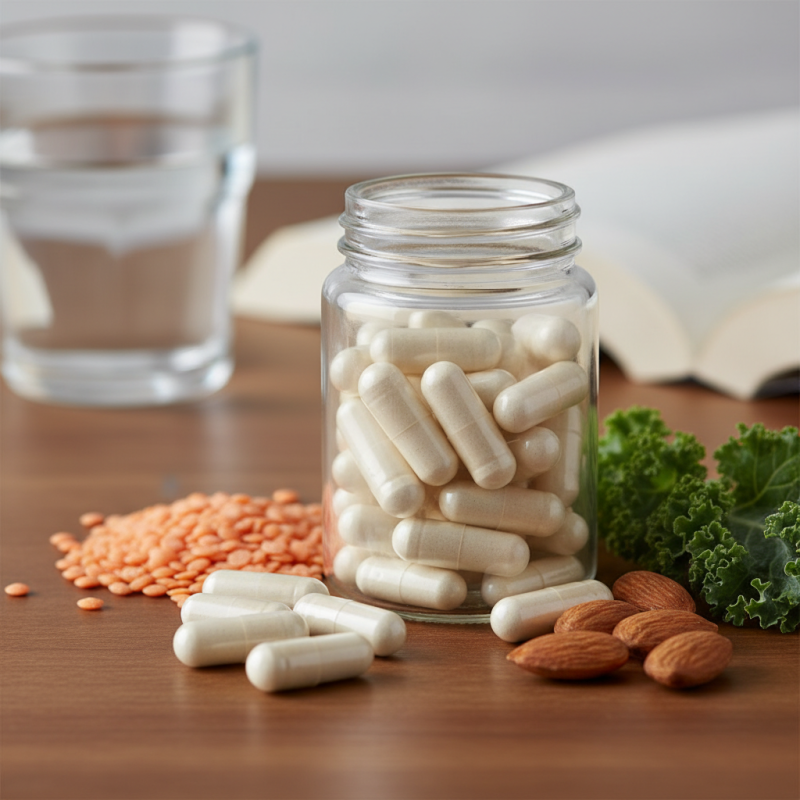
Top 10 Benefits of Lysine Supplements for Better Health?
Lysine Supplements have gained popularity for their potential health benefits. This essential amino acid plays a crucial role in our bodies. It supports various functions, from protein synthesis to immune health. Many people do not get enough lysine from their diets. Supplementation can help fill this gap.
Research suggests that lysine may promote better recovery from illnesses and support skin health. It is often recommended for those who suffer from frequent cold sores. Some studies point to its possible role in reducing anxiety. However, the exact impact can vary from person to person.
Incorporating lysine supplements into your routine might improve overall health. Yet, it’s essential to consider individual health needs. Consulting with a healthcare provider is wise. Understanding the right dosage and potential side effects is crucial. Balance your diet and supplements for the best outcome.
Understanding Lysine: What is It and Why is It Important?
Lysine is an essential amino acid. It plays a crucial role in protein synthesis, hormone production, and calcium absorption. Without sufficient lysine, the body can struggle to maintain muscle mass and overall health. This amino acid is particularly important for wound healing and supporting the immune system.
Tips: Consider incorporating lysine-rich foods into your diet. These include meat, fish, dairy, and legumes. Additionally, those who follow a vegan or vegetarian diet should pay extra attention to their lysine intake, as plant-based sources can be limited.
Lysine also aids in the production of collagen, vital for skin health. A lack of lysine can lead to skin issues and sluggish recovery from injuries. Ensuring adequate lysine levels can enhance your overall well-being. Regularly monitor your dietary habits to avoid potential deficiencies and maximize benefits.
Tips: If you're considering supplements, consult with a healthcare provider. They can guide you on safe usage and appropriate dosages tailored to your needs. Remember, balancing your nutrition is key.
The Role of Lysine in Protein Synthesis and Muscle Health
Lysine plays a crucial role in protein synthesis, which is vital for muscle health. It is an essential amino acid that the body cannot produce. Therefore, obtaining it from diet or supplements is important. Research indicates that adequate lysine intake can help enhance muscle recovery and growth. A study published in the "Journal of Nutrition" found that athletes who supplemented with lysine showed improved muscle mass and strength.
Incorporating lysine into your routine may also support collagen production. Collagen is vital for maintaining strong tissues. This is especially significant for athletes and active individuals. Studies suggest that sufficient lysine can reduce muscle soreness after intense workouts. This means you can bounce back quicker and achieve your fitness goals with better recovery.
Tips: Include lysine-rich foods in your diet, such as lean meats, fish, and legumes. Consider a lysine supplement if your diet lacks these sources. Remember, the ideal dosage varies. Consult a healthcare professional before starting any supplement regimen to determine what works best for you.
Enhancing Immune Function: How Lysine Supplements Help
Lysine is an essential amino acid that plays a crucial role in supporting the immune system. Research indicates that lysine can help enhance the body's defenses against infections, particularly those caused by viruses. A study published in the "Journal of Nutritional Biochemistry" highlights that lysine supplementation may lower the risk of herpes simplex virus outbreaks by competing with arginine, a substance required for the virus's replication.
Incorporating lysine into your diet can be beneficial, especially during flu season. Many experts recommend a daily intake of about 1,000 mg to help boost immune function. This amino acid aids in the production of antibodies, hormones, and enzymes, which are vital for a healthy immune response. Due to its role in collagen production, lysine also supports skin health, preventing rashes and infections.
**Tip:** Including more lysine-rich foods, like legumes and fish, can provide a natural boost. Remember that individual needs may differ, so consider consulting a healthcare professional for personalized advice. It's essential to approach supplementation mindfully, balancing it with other nutrients for optimal health benefits.
Top 10 Benefits of Lysine Supplements for Better Health
Lysine’s Effect on Collagen Production and Skin Health
Lysine plays a vital role in collagen production. Collagen is essential for maintaining skin elasticity and firmness. With age, collagen levels naturally decline. This can lead to wrinkles and sagging skin. Lysine supplementation may help slow this process. It supports the body in producing more collagen, which promotes healthier skin.
Research shows that lysine can also enhance skin healing. It aids in the repair of damaged tissues. This is important for those with acne scars or other blemishes. By encouraging collagen synthesis, lysine may help improve overall skin texture. However, individual responses to supplementation can vary significantly.
People should consider their dietary intake before starting supplements. A balanced diet rich in lysine from sources like meat and legumes is beneficial. Supplements can fill potential gaps, but they aren't a one-size-fits-all solution. Consulting a healthcare professional is wise to ensure safety and effectiveness. Observing how your body reacts over time can provide insights into your specific needs.
Potential Benefits in Managing Anxiety and Stress Levels with Lysine
Lysine is an essential amino acid known for various health benefits. Recent studies suggest it may also help manage anxiety and stress. Anxiety can be overwhelming. It often leads to physical symptoms, such as headaches and muscle tension. Finding effective remedies is crucial for those impacted.
One of the key ways lysine works may involve neurotransmitter support. It can influence serotonin, a vital brain chemical that stabilizes mood. Increased serotonin levels often lead to reduced feelings of anxiety. Additionally, lysine may help lower cortisol, the stress hormone. This makes it an intriguing option for stress management.
While many find relief with lysine supplementation, responses can vary. Some individuals report significant improvements, while others see minimal changes. It's important to consider personal health conditions and consult a healthcare provider. Monitoring how the body reacts to lysine can be beneficial. Understanding these nuances can lead to more informed decisions about using lysine for anxiety and stress.