What is an Autoclave Vessel and How Does it Work?
The Autoclave Vessel is a crucial component in many industries. It serves to sterilize equipment and materials through high-pressure steam. According to a 2021 industry report, the global autoclave market is expected to reach $2.5 billion by 2027, driven by rising demand in healthcare and manufacturing.
In healthcare, autoclaves ensure equipment is free from pathogens. Surgical tools and lab instruments undergo sterilization to prevent infections. In manufacturing, they are used for curing composite materials, improving product quality. However, the operation of an Autoclave Vessel requires strict adherence to safety protocols. Any oversight can lead to accidents.
Understanding how an Autoclave Vessel operates is essential for optimizing its performance. Factors such as temperature, pressure, and cycle duration play critical roles. Yet, many facilities still face challenges in monitoring these variables. Regular training and updates in procedures are needed to enhance safety and efficiency.
What is an Autoclave Vessel?
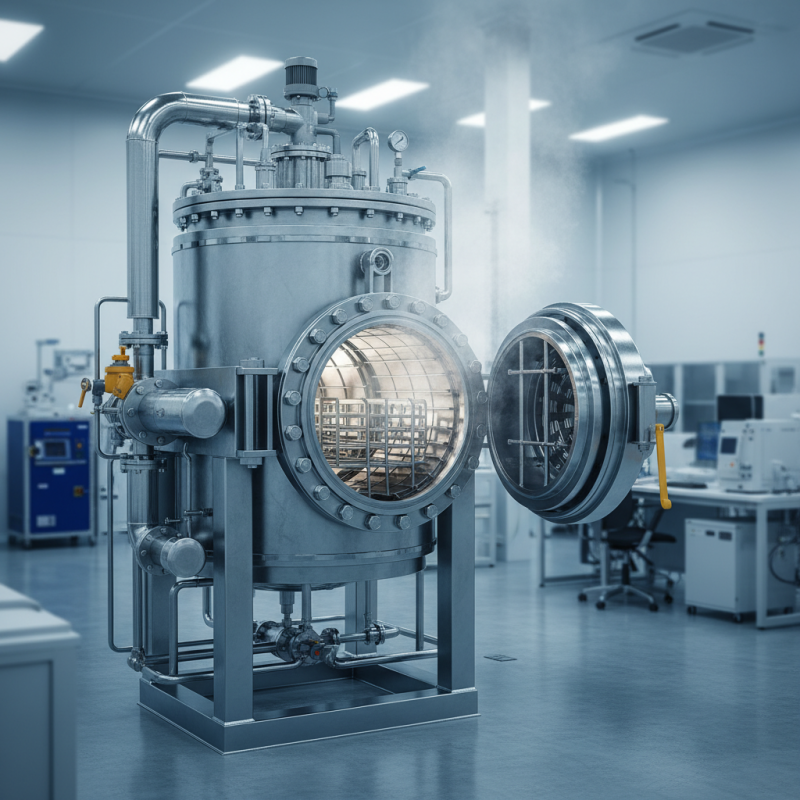
An autoclave vessel is a high-pressure chamber used for sterilization. It has wide applications in various industries, including healthcare, pharmaceuticals, and food processing. The design of these vessels allows for steam and heat to penetrate materials, ensuring thorough disinfection. According to a report by the International Journal of Pharmaceutical Sciences, the effectiveness of autoclaving is often greater than 99.9% for eliminating pathogens.
In healthcare, autoclaves are essential for sterilizing surgical instruments. The process involves heating the instruments to high temperatures, typically around 121-134 degrees Celsius. This method is preferred due to its quick turnaround time and reliability. However, not all materials can withstand these temperatures. For instance, certain plastics may warp or melt. It's vital for facilities to assess their equipment and make informed decisions.
While bacteria and viruses are effectively destroyed, some disabilities in autoclave operation can occur. Residual moisture can lead to recontamination if not properly dried. A recent study highlighted this issue, suggesting that 30% of facilities reported challenges in maintaining optimal conditions. Thus, ongoing training and audits are key to improving sterilization processes. Attention to detail is crucial for minimizing risks in using an autoclave vessel.
The Key Components of an Autoclave Vessel
An autoclave vessel is a crucial piece of equipment in various industries. It allows for high-pressure and high-temperature sterilization. Understanding the key components can enhance its efficiency and safety.
The pressure vessel is the heart of an autoclave. Made from durable steel, it withstands extreme conditions. Accurate gauges are vital for monitoring pressure and temperature levels. These gauges ensure the process remains safe and effective. A reliable door sealing mechanism is equally important. It prevents leaks and ensures the proper operation of the steam cycle.
Tips: Regularly inspect the pressure gauges. Calibration is key for accurate readings. A small error can compromise the entire sterilization process. Also, pay attention to the door seals. Worn-out seals can lead to inefficiencies. Invest in quality maintenance to extend the life of your autoclave.
Furthermore, the heating elements must be robust. They should heat the chamber evenly. Uneven heating can lead to inadequate sterilization. Many industry reports emphasize the importance of maintaining these components. Lack of proper care can lead to breakdowns. This could affect turnaround times and increase operational costs.
How Autoclave Vessels Generate High Pressure and Temperature
Autoclave vessels are essential in many industries. They create high temperature and pressure environments, crucial for sterilization and material processing. An autoclave works by sealing the vessel and then heating water inside it. This generates steam, which builds pressure.
As pressure rises, steam temperature increases. The high temperature can exceed 120 degrees Celsius. At this point, bacteria and other contaminants are effectively destroyed. This process is vital in medical settings, where hygiene is crucial.
Tips: Regular maintenance is crucial for autoclaves. Check seals and valves frequently. Ensure the pressure gauge is functioning properly.
Understanding the operation is key. The balance between temperature and pressure affects outcomes. If pressures are too high, risk of failure exists. Fluctuations can lead to incomplete sterilization. Always monitor closely.
Common Applications of Autoclave Vessels in Various Industries
Autoclave vessels are essential in many industries, providing sterilization and curing processes. In healthcare, they are crucial for sterilizing surgical instruments. A report by MarketsandMarkets highlights that the global autoclave market is projected to reach $5.4 billion by 2025, driven by rising healthcare demands.
The food industry also relies heavily on autoclaving. Canning processes utilize these vessels to ensure food safety. The World Health Organization estimates that foodborne diseases affect 600 million people yearly. Canned foods undergo autoclaving to eradicate pathogens, making them safe for consumption.
Tips: Ensure that the autoclave is regularly maintained. Neglected autoclaves can lead to unsafe sterilization.
In the aerospace sector, autoclaves are used for curing composite materials. This process enhances material properties, increasing aircraft performance. The aviation sector demands rigorous quality control. However, improper autoclave settings can lead to material defects, causing safety concerns.
Tips: Always verify temperature and pressure settings before use. Small errors can result in significant product failure.
Safety Features and Maintenance of Autoclave Vessels
Autoclave vessels play a crucial role in sterilization processes across various industries. Their safety features are paramount. Most autoclaves are equipped with multiple fail-safes. These can include pressure release valves and monitoring systems. These features help prevent accidents and ensure user safety. According to the International Organization for Standardization (ISO), over 80% of autoclave-related incidents are due to user error. Proper training is essential.
Maintenance is vital for ensuring the longevity and efficacy of autoclave vessels. Regular servicing can significantly reduce the risk of malfunction. For instance, routine checks can detect water quality issues. Poor water quality may lead to mineral buildup and corrosion over time. Reports suggest that nearly 15% of autoclaves fail due to improper maintenance. Additionally, users are encouraged to monitor calibration regularly. Accurate temperature and pressure readings are critical in sterilization.
Users must be aware that even minor leaks can lead to major issues. Regular inspections can help catch these problems early. However, not every facility prioritizes this. The lack of consistent maintenance is a prevalent issue. In fact, surveys indicate that only 60% of facilities perform annual checks on their autoclaves. This gap leaves room for reflection on how safety standards can be improved.
